 logo

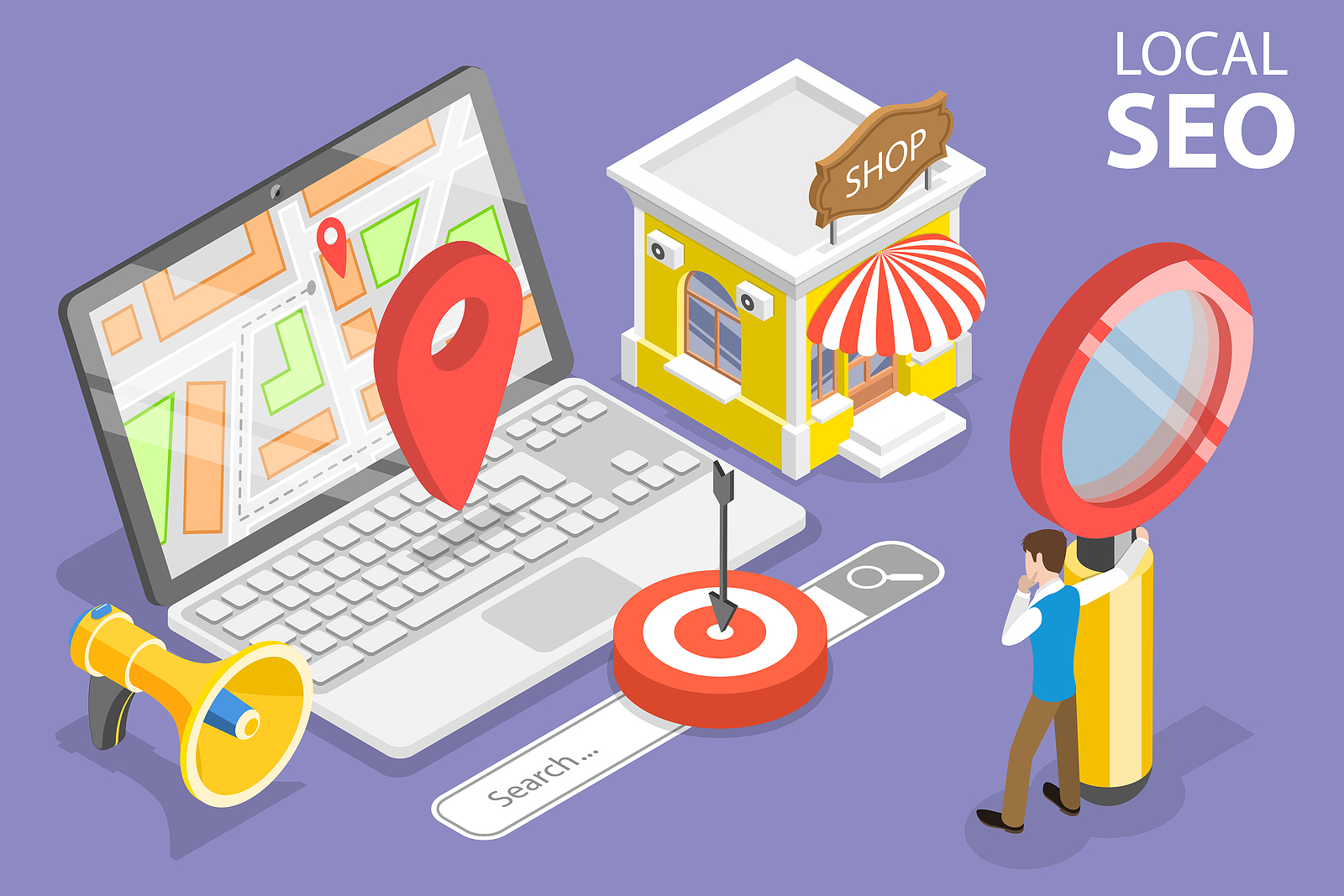
When you’re a busy entrepreneur focusing on building their new business, you may not give much thought to Search Engine Optimization. Increasing and honing your online visibility may not be at the top of your priority list when you’re trying to cement your branding, make a name for yourself, and ensure that your startup budget is in order, for instance.
Other focuses for new businesses are, of course, important. Still, you shouldn’t neglect SEO, especially at the very start of a new business.
This is because knowing the importance of SEO at the very beginning will make it easier for you in the long run. If you can implement the right optimization efforts from day one, your business will get off to the best start. It will grow your online credibility and help people find your new business.
Not only that, but it will save you a wealth of time, too. If you fail to input SEO into your website and content at the beginning, you will need to go back to edit all your content down the line, which can be a time-consuming process.
What Does SEO Mean for New Businesses?
New businesses will already be facing a lot of competition in a market where they may be up against established brands with years’ worth of followers. This is also true of SEO, where new businesses will be in a competitive market against brands that have solidified their content, have a backlog of engaging articles, and a wealth of backlinks.
Building good SEO standards and content always takes time, so it’s important for new businesses to start as soon as possible. SEO should be a key part of your initial marketing plan. If you’re new to SEO and marketing (as well as new to business), it can also help to hire a professional marketing company to start your organic SEO practices.
For new businesses, marketing is even more crucial for making a good first impression, which is why it’s important to research keywords, provide engaging content, and begin to build a good reputation within the online world.
New Business Checklist for SEO
There are many things you can do in line with good SEO practices which won’t take you away from checklist items you’ll be doing anyway. For instance, your new business will need a dedicated website and social media pages, so why not implement good SEO tactics into the content while you’re already building it?
With this in mind, here’s a helpful checklist of some areas to consider:
- Create some exciting content as soon as possible
It’s a good idea to get some interesting blogs or news items onto your website or social media pages as soon as you can so that it doesn’t look too bare when consumers land on your new business pages. You’ll be able to build extensive and engaging content over time, of course, but getting a few initial items on there will be a plus. You can then use this as an opportunity to organically include keywords you’d like to promote for your new business.
- Create a high-quality website that is mobile-friendly
Any new business needs an impressive website, but for SEO purposes, making it mobile-friendly is a must, too. This is because the majority of consumers today will browse using their mobile device rather than a desktop computer.
When building your website, think about how to include keywords and SEO methods in each and every page you build.
Speed, Images and URLs
- Make sure your website runs quickly and smoothly
When bringing up search engine results for consumers, Google will penalize any website which is running slowly or has outdated content which isn’t loading sufficiently. In terms of SEO (and your business), this is naturally going to work against you, so make sure that your new website is the fastest it can be before you make it officially live.
This is also important for creating a good first impression; when you manage to get your target market to land on your page, you want them to have a positive experience and not one that sees them battling with a buffering screen.
- Think about your image descriptions, too
When you’re uploading images and video content to your new website, also think about alt tags and the descriptions you’re using. All of these can help with SEO and, in turn, make your new business easier to find. Be sure to use keywords relevant to your industry and product when labeling images and other content.
- Use keywords in your page URLs
This is different to your main website domain. When you create a new page on your website, think about altering the URL of the page to include keywords in a better way and also ensuring that URLs are succinct. This will help with bringing up your content within search engines.
Final Thoughts
All businesses most certainly need SEO if they want people to notice them within the online world and grow their business following. For new businesses, this is even more vital if you’re hoping to build your business and begin to rise through the rankings to overtake existing competitors within the market.
SEO is going to help your new business build its reputation, reach people more easily, and connect with others.
If you’re avoiding SEO because you don’t know where to start, or feel too busy as a new brand to invest the proper time and effort into it, then seeking expert help from marketing companies is a must so that you can take care of your brand from the very beginning.
Choosing SEO with Keyword Performance
Our professional team is here to help any new business with its SEO and marketing needs. If you’re an entrepreneur who is unsure where to start with marketing your new business, we’re here to help, so make sure to contact us today.
To see what search visibility can do for a young business, read about the benefits of SEO.
If you want to check your own site, our SEO checklist is a good place to start.
If you plan to redesign your website, build the redirect plan before the design work begins. Our website maintenance packages cover updates, backups, security and speed checks so the site stays in good shape. Owners often ask how much does a website cost, and the honest answer depends on pages, features and content.
Google’s SEO Starter Guide is a good companion to this article.